

41.3% of students can’t secure internships because there simply aren’t enough spots, so it’s only natural for recruiters to hire experienced candidates over non-experienced ones.
But when you search for advice, you’ll see the same regurgitated tips everywhere: prepare your resume, write cover letters, leverage your network. Very few of the people giving this advice actually explain how any of it works.
I have a different approach:
Next time you’re searching for an internship, don’t think about needing one. Think about why your recruiter needs an intern, and what they actually want in that intern.
Why “No Experience” Isn’t What’s Blocking You
You think you’re getting rejected because your resume is empty.
That’s not it.
Your applications are getting rejected because nothing in the application answers a simple, unspoken question:
Why should this team bring you in right now?
When a recruiter scans applications, they’re actually comparing risk. Risk to minimize time, mistakes, and supervision. And experience becomes the fastest shortcut to feeling safe.
Although “no experience” becomes the easy reason to reject, it’s rarely the real one. The real issue is that most applications focus on what the student wants to learn, not what the team needs done.
How Recruiters Really Look at Intern Applications
A resume serves as the first test of a candidate’s attention to detail and professional judgment. Recruiters view the document as a direct reflection of how the candidate will approach their work at the firm.
Recruiters spend 6 to 15 seconds on your resume deciding whether you’re worth a second look.
That’s it. Six seconds to scan your entire resume and make a snap judgment about your future.
Eye-tracking studies show they don’t even read the whole thing. They scan the top third, jump to specific headers, and if they don’t immediately find what they’re looking for, you’re done. Into the rejection pile you go, regardless of what’s buried further down.
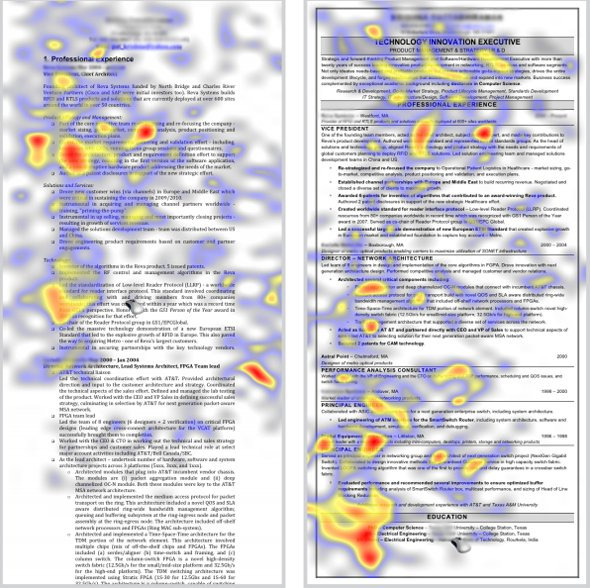
This becomes more like a survival pattern. And it’s natural when you’re processing hundreds of applications per hour.
“For the most part, we can look at your education, current and previous job title, the companies you worked for, and determine if you’re a fit or not in a matter of 5–7 seconds.” — Reddit recruiter.
Here’s what they’re actually scanning for:
- Name and contact info: Sounds basic, but a missing LinkedIn URL or unprofessional email? Instant rejection.
- Current title/role: “Computer Science Student” is forgettable. “Full Stack Developer” catches attention, even if you’re still in school.
- Current/previous company: Brand names work as shortcuts. If they recognize the company, you’ve already been “pre-vetted” in their mind. If not, you need to clarify what that company actually does.
- Employment dates: Short stints everywhere? Looks like resume padding.
- Education: For interns, this is your foundation. Degree, major, expected graduation date. Make it obvious.
To match what each recruiter is scanning for, you’d need to customize your resume for every single application. Titles, keywords, bullet points, even section order.
And that’s not humanly possible.
You could spend 20 minutes tailoring your resume for one job (reformatting bullet points, swapping keywords, adjusting your title to match their language), but then you’ve only applied to one position that day.
Meanwhile, you’ve got classes, assignments, projects, and an actual life to live.
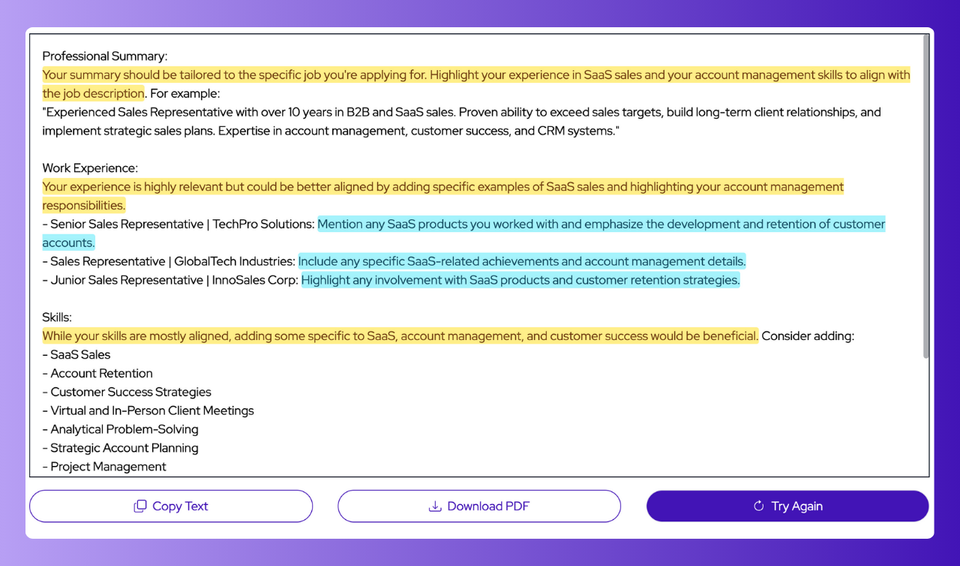
JobCopilot is an AI job application automation platform that uses AI to automatically rebuild your resume for each job posting. We will match keywords, reformat sections, and highlight the experience recruiters are scanning for, without you lifting a finger.
Not only that, our AI system will enhance your resume with ATS-friendly wording so it gets captured by automated systems.
What Companies Expect From an Intern
Here’s what most students think companies want: someone brilliant, polished, and ready to contribute from day one.
Wrong.
If they wanted someone who could hit the ground running with zero guidance, they’d hire a full-time employee. Interns are cheaper because you’re still learning.
So what are they actually looking for?
Someone who won’t need babysitting.
That’s it. That’s the bar.
They want someone who can follow instructions, ask clarifying questions once rather than five times, and solve basic problems on their own using Google and common sense.
One recruiter vented on Reddit after managing multiple interns:
“After two weeks, I received nothing more than two lines explaining what she was working on… She later said she ‘didn’t know’ copywriting was her task.”
“The second intern just uses ChatGPT for everything and denies it when called out.”
These interns were expected to (merely) do the basics without constant supervision.
Someone who makes their job easier, not harder.
Every intern is a gamble. Will you save them time, or will training you become a part-time job for someone already stretched thin?
Show them:
- ..you understand what their team actually does.
- ..you’ve thought about how you’d fit in.
- ..you’re not just looking for a line on your resume.
A FAANG engineering manager puts it plainly on Reddit when describing standout interns:
“Consolidate questions. Write them down. Ask once per day instead of interrupting constantly. Make earnest efforts to solve your own problems first.”
Someone who can communicate like a functioning adult.
Interns are expected to respond to emails within 24 hours, show up on time, and give updates without being chased down. The number of interns who fail this basic test is staggering, which means if you can clear this low bar, you’re already ahead.
A People Operations Manager at Seer described internships as a “semester-long working interview” and pointed out that the interns who converted were the most reliable.
They showed up on time, shared goals in writing, gave regular updates, and treated feedback as part of the job, not a personal attack. In her words, the best interns “blurred the lines between intern and full-time employee.”
Someone who’s genuinely interested in what they do.
They can smell desperation and box-checking from a mile away. If you’re applying because “I need an internship,” it shows. But if you’re applying because you actually care about what this specific company is building? That changes the entire conversation.
How to Become “Intern-Ready” Without Prior Experience
You don’t need prior experience to land an internship. But you do need to look like someone worth hiring.
Here’s how to get there without padding your resume with lies or waiting until you magically have “enough” experience.
1. Translate What You Already Have Into What They Want
You’ve done projects for class. You’ve worked part-time jobs. You’ve been part of clubs or volunteer groups. That also counts as experience.
You just need to start showing what you delivered.
- “Completed group project for Marketing 301” → “Led 4-person team to develop go-to-market strategy for local business, resulting in 23% increase in foot traffic.”
- “Cashier at Starbucks” → “Managed high-volume transactions during peak hours while maintaining a 4.8/5 customer satisfaction rating.”
JobCopilot’s AI Resume Builder does the translation work for you. It takes your raw experiences (coursework, side projects, part-time gigs) and automatically reformats them into achievement-focused bullet points that recruiters actually respond to.
Instead of spending an hour agonizing over how to make “group project” sound professional, the AI does it in seconds, tailored to each job you’re applying for.
2. Build Something Small That Solves a Real Problem
Pick a problem you’ve noticed (doesn’t matter how small) and solve it. Build a simple tool, create a resource, design something useful. Document the process. Show your thinking.
This does two things: it gives you something concrete to talk about in interviews, and it proves you create solutions.
3. Figure Out What Industry You’re Actually Targeting
“I’m open to anything” is a death sentence in job applications.
Recruiters want someone who gets their industry and is genuinely interested in what they do. You don’t need to commit to a 40-year career path, but you need to pick a direction for this application cycle.
You can use JobCopilot’s AI Student Career Advisor for help. It analyzes your degree, coursework, and interests, then shows you which entry-level roles and industries actually align with what you’ve already done.
You also learn how to reframe your academic work to fit industry expectations.
4. Learn the Basics of Professional Communication
Most students torpedo themselves before they even get to the interview.
Here are some things that might look awkward to a recruiter:
- Email Address: Your email address is “partyguy2003@yahoo.com.”
- LinkedIn: Your LinkedIn has a blurry photo from spring break.
- Resume: Your resume is titled “Resume_FINAL_v3_UPDATED.pdf.” Two pages of filler for an internship role.
- Phone voicemail: It’s a joke voicemail, music-only, or completely full.
This sounds basic, but you’d be shocked at how many applications get binned for exactly this reason.
How to Read Company Career Pages the Right Way
Most students only check the same job boards (LinkedIn, Indeed, Handshake, Glassdoor, maybe their university portal). They apply to whatever shows up there and assume that’s all that exists. The problem is you’re only seeing a tiny slice of what’s actually available.
Many internships never make it to those aggregator sites. They live on individual company career pages that you’d never think to visit because you don’t even know those companies are hiring.
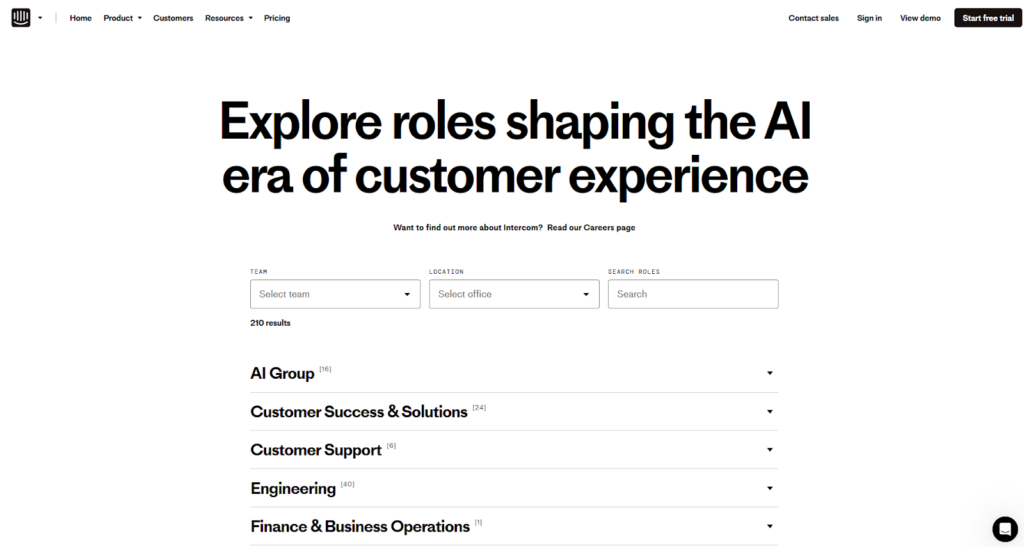
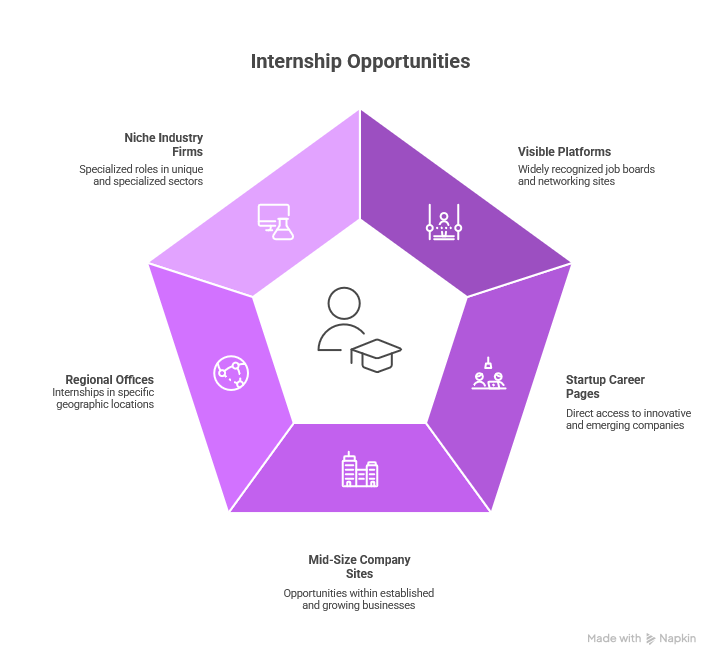
Although you think you’re competing for the 50 internships on LinkedIn, you’re actually missing the 5,000 internships scattered across company websites you’ve never heard of:
- Startups
- Mid-size firms
- Regional offices of bigger companies
- Niche industry players.
You can’t manually check hundreds of company career pages every day. You’d need to know which companies to visit, remember to check back regularly, decode each posting to see if it actually matches what you want, and somehow do this while attending classes and finishing assignments.
This is exactly what JobCopilot’s Automate Job Search does:
- Continuously monitors over 500,000 company career pages worldwide
- You configure once: specific job titles, required keywords in descriptions, location, salary range, and companies to exclude
- Every 2 hours, it finds new internships that match your exact criteria
- Saves relevant opportunities to your tracker so you can review and decide which to pursue
- Learns from the jobs you favor and apply to, refining what “relevant” actually means for you
You still decide what to apply to. But now you’re choosing from opportunities that actually match what you’re looking for, not just whatever happened to get posted on the same three job boards everyone else is checking.
Stop Trying to Get Picked, Start Making Yourself Useful
The employment market is brutal right now. I know. Layoffs, hiring freezes, and “entry-level” jobs requiring three years of experience. It’s a mess.
But it was never easy in the first place.
Job boards show you a small fraction of what’s actually available. But hundreds of companies are posting internships on their own career pages. They’re legitimate opportunities that get fewer applicants simply because they’re harder to discover.
JobCopilot finds the internships you’re missing. It continuously monitors over 500,000 company career pages and surfaces opportunities that match what you’re actually looking for. Real positions at real companies that most students will never discover.
Try JobCopilot today to find internships others are missing.